Perc Tests & Soil Evaluation in Vermont
Every septic system in Vermont starts the same way — not with a tank, but with the ground. Before any design gets approved, your lot goes through a site and soil evaluation, commonly called a perc test. It looks at what your soil is made of, how high the seasonal groundwater climbs, and how deep it is to bedrock.
Those three numbers decide what kind of system your property can carry, where it has to sit, and a good share of what it will cost. We're the crew that builds the system once that's settled, and we've dug enough ground around Castleton, Rutland and Fair Haven to know what the results usually mean in practice.
Talk Through Your Site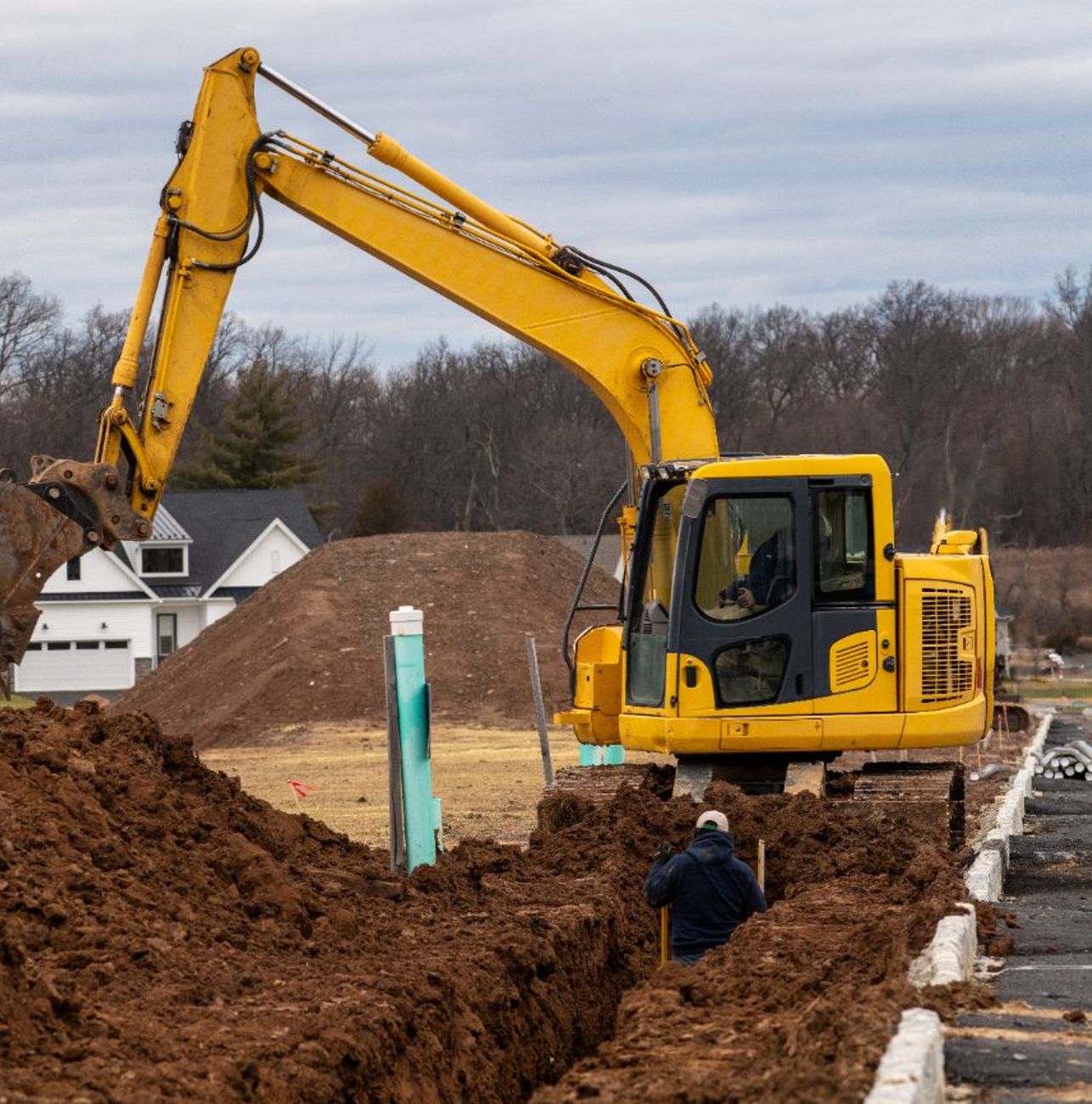
What the Evaluation Actually Measures
Soil type and texture. How coarse or fine the material is, and therefore how fast water moves through it. Sand and gravel drain freely; the heavy clays in parts of the valley barely drain at all.
Seasonal high groundwater. Not where the water table sits the day of the test, but how high it climbs in a wet spring. A drain field needs a buffer of unsaturated soil beneath it year-round.
Depth to bedrock. How much workable soil sits above the ledge. This is the one that catches people out around here — the Taconic slate to the west and the marble under Rutland can both be far closer to the surface than expected.
What the Results Mean for Your System
If the evaluation comes back with well-drained soil, adequate depth to bedrock and a low water table, you're a candidate for a conventional gravity system — the simplest and least expensive option.
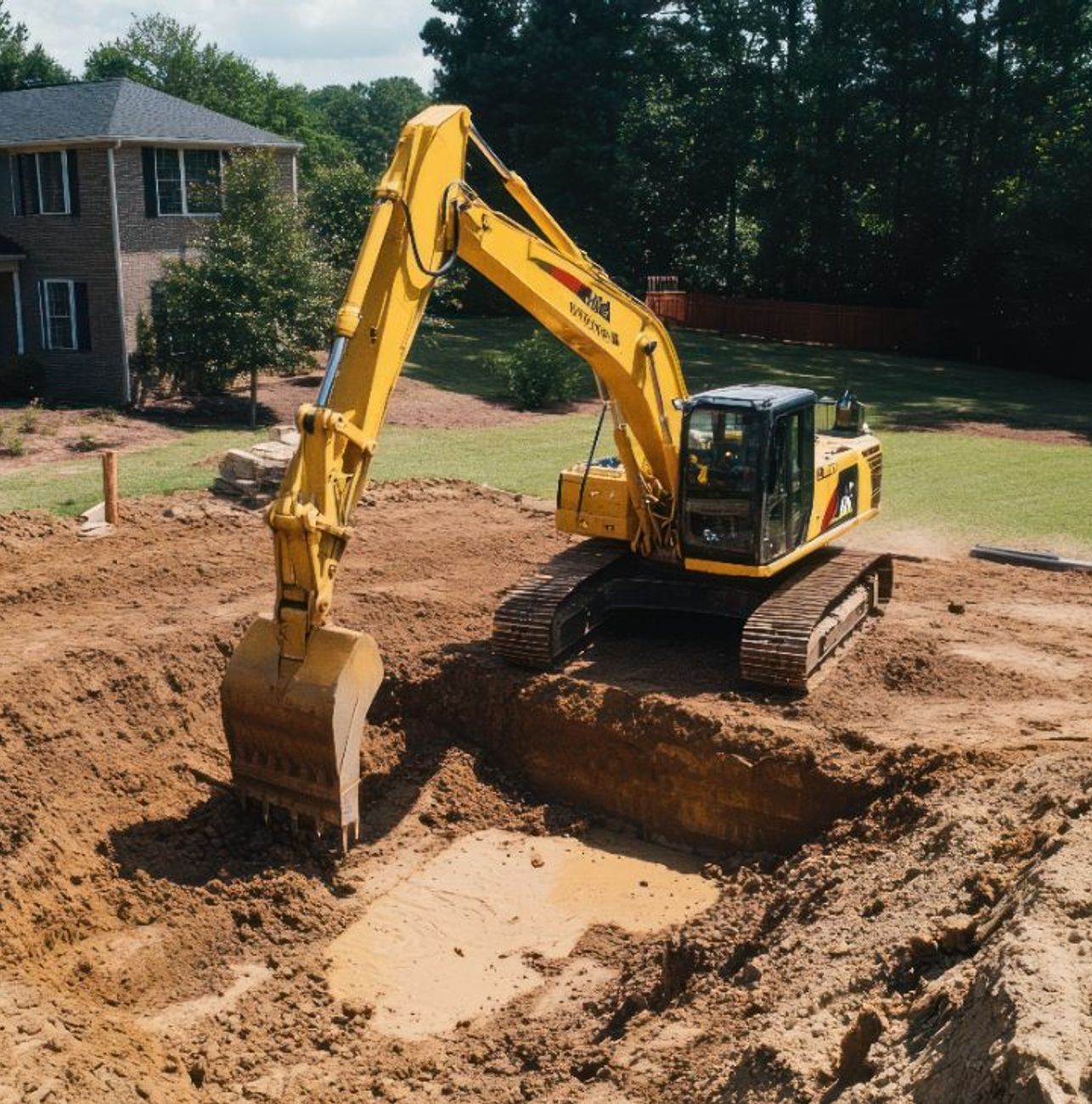
When it comes back with poorly drained clay, shallow ledge or a high seasonal water table, the state's rules typically call for a mound system instead. A mound builds the drain field up above natural grade using imported sand and gravel, creating the separation the treatment needs. It costs more, takes more room and takes more material — but on a great many lots in this region it isn't an upgrade, it's the requirement.
These conditions also tend to mean a larger septic footprint than you'd plan for elsewhere in the state, so it's worth knowing early how much of your lot the system is going to claim.
See Our Septic Installation Work
Perc Test Questions
A perc test — short for percolation test — measures how quickly water drains through the soil on your property. In Vermont it's part of a broader site and soil evaluation that also checks the soil type, how high the seasonal groundwater rises, and how deep it is to bedrock. Together those results decide what kind of septic system your lot can support.
The site and soil evaluation is carried out by a licensed designer, not by your excavation contractor. We're not the ones who run the test or stamp the design — we're the crew that builds the system the evaluation calls for. If you don't already have a designer, we can point you toward the people we work with regularly.
Vermont septic systems fall under the state's Wastewater System and Potable Water Supply Rules, and those rules require a site and soil evaluation before a design is approved. It isn't red tape for its own sake — it's genuinely how you find out what your ground can handle before anyone spends money putting a system in it.
It doesn't necessarily mean you can't build. When the test finds slow-draining clay, a high water table, or shallow bedrock, the state typically calls for a mound system — a drain field built up above the natural grade with imported sand and gravel so wastewater has enough clean material to filter through. Mounds cost more and take more room, but on plenty of lots around here they're simply what the ground requires.
There's no single number — it's the combination of soil type, groundwater level and depth to bedrock that determines the design. But depth to bedrock matters a great deal in this region. Around Fair Haven and Poultney the slate ledge is often close to the surface, and in Rutland the marble can be shallow and jointed, so a lot of local digs hit rock sooner than people expect.
Often, yes. Septic systems are sized by the number of bedrooms, so adding one can push an existing system past what it was designed to carry. If you're planning an addition, it's worth finding out early whether your system and your soil can support it.
As early as you reasonably can, and ideally before you buy raw land or commit to a house design. The evaluation determines the system type, which drives a meaningful part of the budget and dictates where on the lot the field has to sit. Finding that out late is how projects get redesigned.
Planning a New Septic System?