
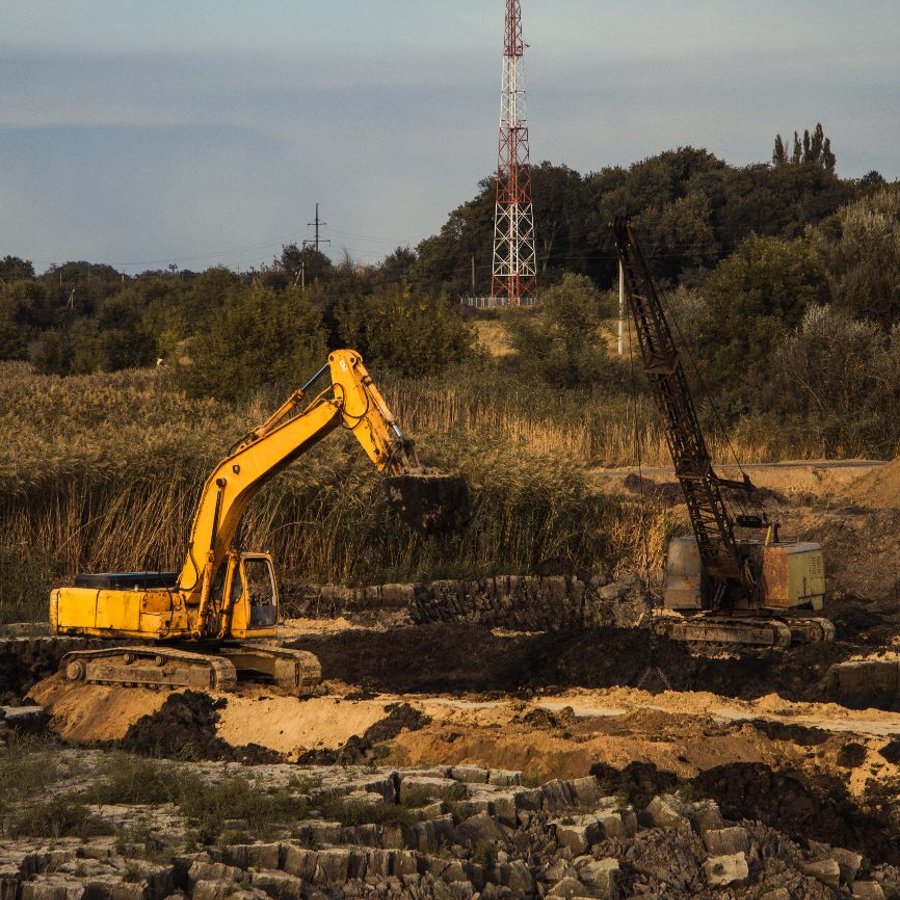
Excavation Services in Poultney, VT
We clear land, dig, and grade throughout Poultney and the surrounding hills, getting properties ready to build and keeping water where it belongs.
John Trombley Construction is a family-owned excavation contractor serving Poultney and the surrounding area. Here's what we handle:
- Site preparation & grading
- Land clearing & tree removal
- Septic system install, repair & pumping
- Trenching & water lines
Every estimate is free, and emergency service is available when you need it. Reach out and we'll come take a look.
Get A Free EstimateExcavation in Poultney's Slate Valley
Poultney sits down in the Slate Valley, right along the Poultney River where Vermont meets New York. It's hilly country, and the reason it's hilly is the same reason the town became famous for slate: the Ordovician Poultney Formation runs close to the surface all through here. Welsh quarrymen came over generations back and built a whole industry on this rock, and that history is written right into the ground. When you dig a foundation, a trench, or a septic field in Poultney, there's a good chance you're going to meet slate ledge before you've gone very deep.
That changes how you plan an excavation. We're John Trombley Construction, a family-owned outfit based in Castleton, and we work this whole corner of Rutland County. On a lot of Poultney lots, the question isn't whether you'll hit rock, it's how much and how shallow. Faulted, jointed slate can break up in sheets and slabs in some spots and sit like a solid shelf in others, sometimes within the same hole. On top of that ledge you've usually got glacial till, which around here runs stony and dense with plenty of boulders mixed in. None of that is a reason to walk away from a site. It just means the right approach and the right equipment matter, and it means we'd rather look at your ground before we quote it than guess.
The hills add their own wrinkle. A sloping lot on the valley's shoulders means we're thinking about how water moves across it, where the good building bench is, and how to cut and grade so you're not fighting runoff for the life of the property. Between the river bottom and the higher ledge ground, no two Poultney parcels dig quite the same, and we plan each one for what's actually under it.
Foundations, Trenches, and the Frost Line
Vermont's building code sets a minimum foundation depth of five feet, sixty inches, and it does that for a plain reason: footings and any buried water or sewer line have to sit below the frost line. If they don't, frost heave will work at them every winter, lifting and cracking whatever you built. That's a hard rule to meet on ground where slate ledge shows up shallow, because getting down to a proper depth may mean cutting into rock rather than just digging soil.
That's the reality we plan around on a Poultney job. If a trench for a water line or a footing for a foundation needs to reach frost depth and there's ledge in the way, we deal with the rock so the line and the footing end up where the code and the winter both require. Trying to cheat the depth to save a little digging is how you end up with a heaved footing or a frozen, split water line a few seasons later. We'd rather do it right the first time.
The other seasonal factor is mud season. Come spring, the clay-heavy soils in the low ground around the river hold water and turn soft, and that affects when it makes sense to run equipment across a site and when it's smarter to wait. We factor the season into the plan so we're not chewing up your ground or getting stuck when patience would have served better. If you've got a foundation dig, a trench, a water line, or general site prep coming up, we'll give you a free estimate and a straight read on what your particular lot is going to take.
Septic Systems on Poultney's Ledge and Slopes
Septic is where Poultney's ground really tests a design. Every system in Vermont falls under the state Wastewater System and Potable Water Supply Rules, and every one starts the same way, with a site and soil evaluation. That's the perc and soil test, and it looks at what the soil is made of, how high the seasonal groundwater sits, and how deep it is to bedrock. On the hilly, ledge-heavy ground here, that last number often comes back shallow, which points the whole design in a particular direction.
When there isn't enough depth of good soil above the bedrock, or when the water table is high or the soils drain poorly, the standard buried drain field doesn't have room to do its job. In those cases the state typically calls for a mound system, where the drain field is built up above the natural grade using imported sand and gravel so the wastewater has the soil column it needs to filter through before it reaches rock or groundwater. Around Poultney, with shallow slate and glacial till, mound systems come up regularly, and there's real work in placing and shaping one right on a slope.
We handle septic from the ground up, new installations, repairs, and tank pumping, and we work off what the soil evaluation actually shows for your lot rather than a one-size design. Building a mound on sloping ground takes care so it sheds water properly and sits stable, and a sloped site can be an advantage for a gravity system if it's read correctly. If your existing system is struggling or you're planning a new build, we'll walk the site, look at the test results, and lay out what the rules and the ground allow. Emergency service is available when a system fails and can't wait.
Full Site Work Across Poultney
Beyond foundations and septic, we cover the range of site work a Poultney property tends to need. That includes land clearing and tree removal to open up a building spot or reclaim a field, demolition when something old has to come down before anything new goes up, and trenching for water lines and utilities. On the wooded, hilly parcels common around town, clearing and grading are often the first real step in making a lot buildable, and doing it thoughtfully sets up everything that follows.
We also run snow removal through the Vermont winter, because the same weather that drives the frost-depth rules keeps driveways and lots buried for months. Whether it's a one-time excavation project or seasonal plowing, we're a local, family-owned business working right here in the region, and we serve all of Rutland County and the nearby communities across the line in eastern New York. Estimates are free, so it costs nothing to have us take a look and tell you honestly what your Poultney project involves.
Poultney Excavation Questions
Often, yes. Poultney sits on the Ordovician Poultney Formation slate that built the town's quarry history, and that bedrock frequently sits shallow beneath a layer of stony glacial till. On a lot of local lots you meet ledge before reaching full foundation or trench depth. It varies parcel to parcel, and the faulted, jointed slate can break up in sheets in one spot and sit solid a few feet away, so we like to look at your specific ground before quoting the work.
Vermont code sets a minimum foundation depth of five feet, sixty inches, and both footings and buried water or sewer lines have to sit below the frost line so they don't heave and crack over the winter. On Poultney ground that can mean cutting into slate ledge to reach the right depth, but the depth still has to be met. We plan for that rather than cutting the dig short and leaving you with a heaved footing or a split line later.
Usually you can, but the design depends on the soil evaluation. Every Vermont system starts with a site and soil test that checks the soil, the seasonal water table, and the depth to bedrock. On Poultney's shallow slate and till, that test often points to a mound system, where the drain field is built up above grade with imported sand and gravel so wastewater filters through enough soil before reaching rock. A slope can actually help a system work by gravity when the design accounts for it.
Spring mud season saturates the clay-heavy soils in the low ground near the Poultney River and softens the ground, so heavy equipment work is often better held off until things firm up. That said, we schedule around the season and the specific site, and emergency service is available year-round when a septic failure or similar problem can't wait. Reach out and we'll give you a free estimate and advise on timing for your particular lot.
Serving Poultney & Beyond