Excavation Services in Whitehall, NY
We handle trenching, water lines, septic systems, and land clearing throughout Whitehall and Washington County, for homes and businesses alike.
John Trombley Construction is a family-owned excavation contractor serving Whitehall and the surrounding area. Here's what we handle:
- Site preparation & grading
- Land clearing & tree removal
- Septic system install, repair & pumping
- Trenching & water lines
Every estimate is free, and emergency service is available when you need it. Reach out and we'll come take a look.
Get A Free EstimateExcavation and Site Work in Whitehall, New York
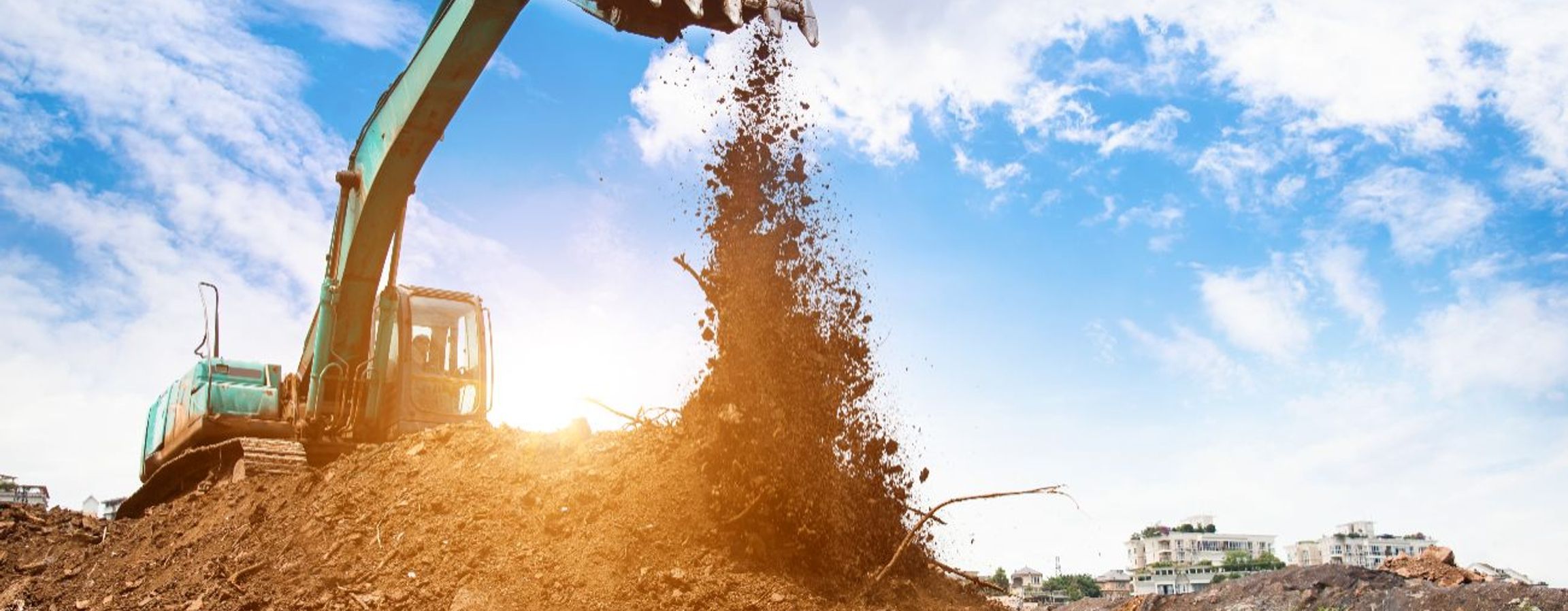
Whitehall sits right at the head of Lake Champlain, where the lake narrows down to its southern end and the old canal ties the town to the water. It is a historic canal town, and it is an easy run for us from our home base in Castleton, Vermont. The state line is just a short drive, so when folks around Whitehall and the rest of Washington County need excavation and site work, John Trombley Construction is close enough to get there without a fuss. We handle site preparation, land clearing and tree removal, trenching and water lines, demolition, and the full range of dirt work that gets a project off the ground.
The thing to understand about digging around Whitehall is the ground itself. This is the New York end of the Slate Valley, the same Taconic slate belt that runs up through Fair Haven and Poultney on the Vermont side and carries right on into Washington County. That means slate and shale bedrock, often sitting shallow, with ledge that shows up where you might not expect it. Down in the valley bottoms toward the lake, the picture flips: you get clay, poor drainage, and a higher water table. On top of that, the regional soils are largely glacial till, stony and dense, with plenty of stone to work through. We plan every job around what is actually under the surface, because guessing wrong on ledge or clay is how a straightforward dig turns into an expensive surprise.
Before we bring machines in, we like to know what we are dealing with. That means looking at where the ledge is likely to sit, how the ground drains, and how close the bedrock comes to grade. On a shallow-slate site, a foundation or a utility run can mean cutting into ledge, and that is a different job than pushing through till. We would rather tell you that straight up front and give you an honest free estimate than have it come as a shock partway through. Emergency service is available too, so if something goes wrong you are not left waiting.
Footings, Trenches, and the Frost Line
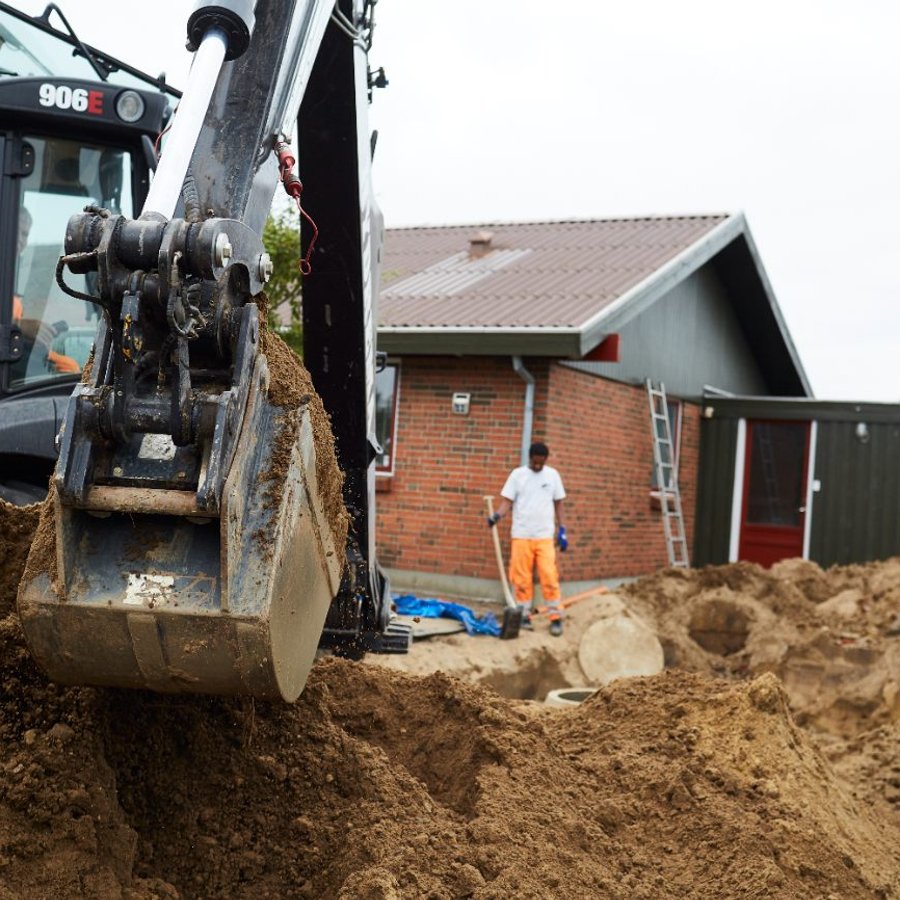
This is cold country, and the frost drives deep in winter. In this part of the world the frost line runs roughly four feet down, and anything that has to stay put through the freeze needs to sit below it. Footings, buried water lines, and sewer lines all have to go deep enough that the frozen ground cannot get under them and shove them around. When water in the soil freezes it expands, and that heaving force will crack a footing or snap a shallow water line without any trouble. Getting the depth right the first time is the whole point.
Around Whitehall, hitting that depth is not always as simple as digging a deeper hole. With slate ledge sitting shallow in a lot of spots, reaching frost depth can mean cutting through rock rather than just soil. In the valley clay near the lake, the challenge is different again: the ground holds water, drains slowly, and can be miserable to work in a wet season. Either way, we size and dig trenches so your lines sit below frost and stay protected, and we do it in line with local and New York requirements rather than any one rigid formula. Every property is a little different, and slate ledge or heavy clay can change the plan.
If you are running a new water line, replacing an old one, or trenching for utilities, the smart move is to have someone look at the site who knows how this ground behaves. We would rather spend the time up front figuring out where the ledge is and how deep we need to go than come back later to fix a line that heaved because it was set too shallow.
Septic Systems on Whitehall's Slate and Clay
Septic work is one of the trickier jobs in this area, and Whitehall is a good example of why. Every septic system starts with a site and soil evaluation, a perc or soil test, that looks at how the soil drains, how high the seasonal groundwater comes, and how deep it is to bedrock. Those three things decide what kind of system a property can actually support, and around here the answers are often not the easy ones.
With slate and shale bedrock sitting shallow across much of the Whitehall area, and clay with a high water table down in the valley bottoms, a lot of sites cannot take a standard in-ground septic system. When the bedrock is close to the surface, the drainage is poor, or the water table is high, the answer is often a raised or mound-style system built above grade with imported sand and gravel. That gives the effluent enough good material to filter through before it reaches the limiting layer. A mound is more involved to build and takes more material, but on a shallow-ledge or wet clay lot it is frequently the system that will actually work and pass.
We handle septic system installation and repair as well as septic tank pumping, and we always start by understanding the soil and the site before we talk about what to put in. If your test comes back showing shallow bedrock or poor drainage, we will walk you through what that means for your options in plain terms. Free estimates, honest answers, and no pretending a tough site is an easy one.
Whitehall Services In Detail
Whitehall Excavation Questions
We work on both sides of the line. Our base is in Castleton, Vermont, and Whitehall is just across the state line, an easy reach for us. We regularly serve Whitehall and the surrounding parts of Washington County, New York, right along with Rutland County. When we do work in New York we go by local and New York requirements, not Vermont's.
It is a real possibility. Whitehall is at the New York end of the Slate Valley, so slate and shale bedrock sits shallow in a lot of places and ledge is common. Whether you hit it depends on your specific lot. We look at the site before we start and give you an honest estimate that accounts for the chance of cutting into rock, so ledge does not turn into a surprise partway through.
Sometimes, but not always. It comes down to the soil and site evaluation. If the test shows shallow bedrock, poorly drained clay, or a high water table, which are all common toward the valley bottoms and lake near Whitehall, you may need a raised or mound-style system built above grade with imported sand and gravel instead. We start every septic job with that evaluation so we know what the site can support.
Deep enough to sit below the frost line, which in this area runs roughly four feet down. If footings or buried water and sewer lines are set too shallow, freezing ground can heave and crack them. Around Whitehall, reaching that depth can mean cutting through shallow slate ledge or digging through heavy valley clay, so we plan each trench around what is actually on your property.
Serving Whitehall & Beyond